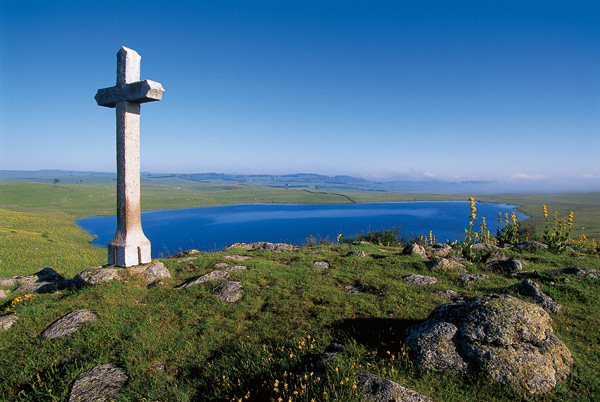
An urban heritage seems something of a misnomer in such stunning, peaceful countryside. But the Lot and its tributaries provided major trade routes from well before recorded history. After all, this is where you find the 24 000 year old Pech Merle caves in which early man lived and recorded for posterity the exploits of his daily life.
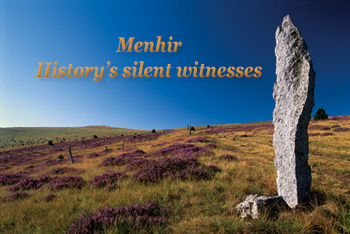
With trade came prosperity and the need to defend and seize new opportunities. Thus “bastide” towns sprung up in the Middle Ages, with special privileges granted to those moving there. Frequently fortified, they were built for strategic trade or defensive reasons to a grid pattern around a central market (often arcaded). Beautifully preserved bastides survived throughout the Lot Valley. Among the most famous are Aiguillon (which changed hands often between English and French) and the double bastide of Villeneuve-sur-Lot.
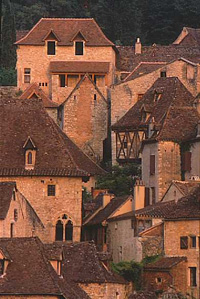
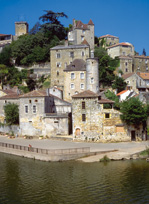
Hugging the river Lot, the pilgrim route (Chemin Saint-Jacques or St James Way) to Santiago de Compostela brought visitors from throughout Europe. Towns, villages, churches, abbeys and other public buildings grew up to cater for their needs. Some towns became shrine in their own right - Sainte-Foy Church (World Heritage Site) at Conques is a fine example. With Mende, St-Cirq-Lapopie and Saint-Flour, Conques was a key staging-post for pilgrims.
Today, these places ooze history and charm, harbouring some amazing architecture and religious art. Take time to browse, linger and make your own discoveries.